

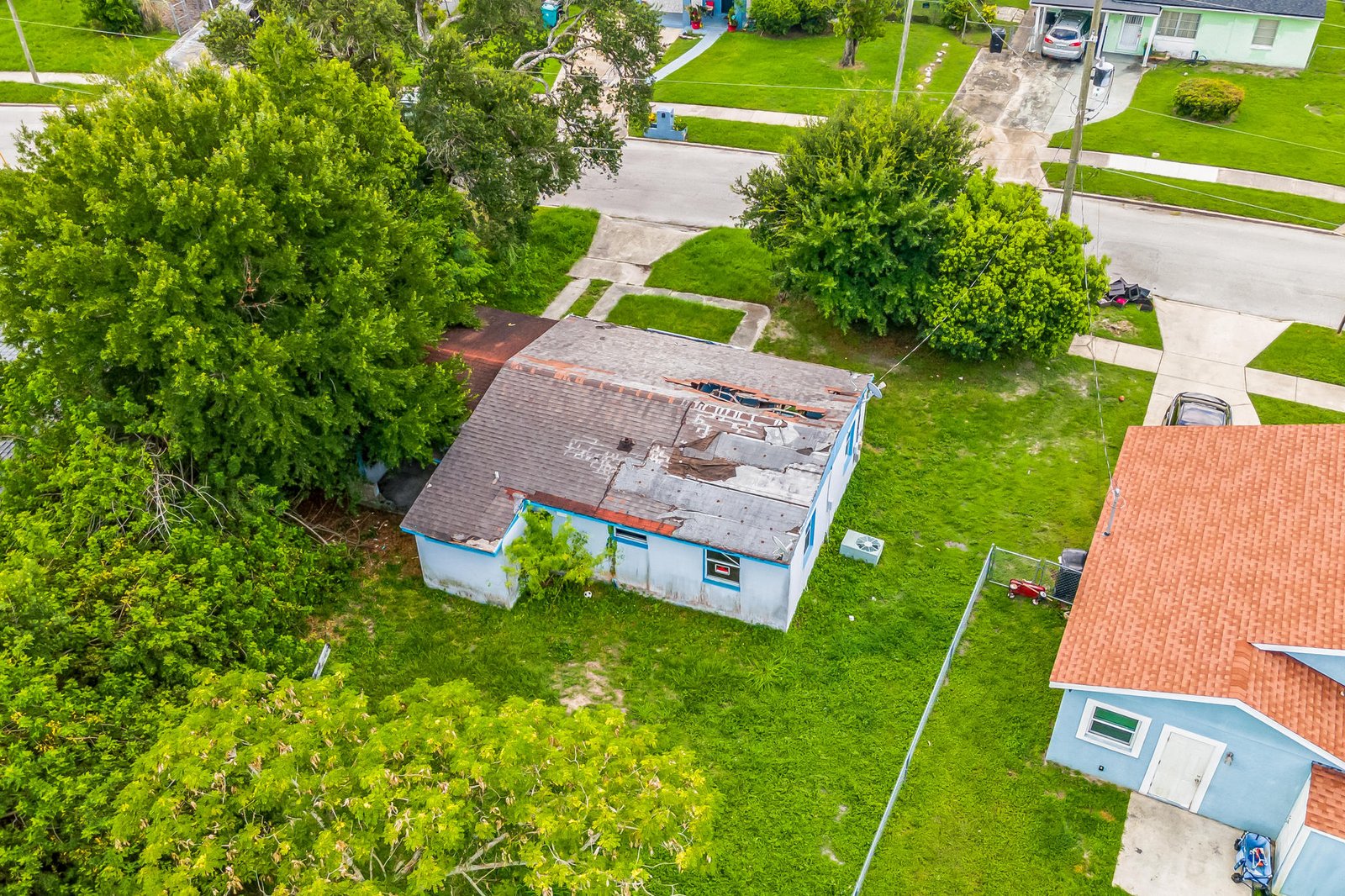
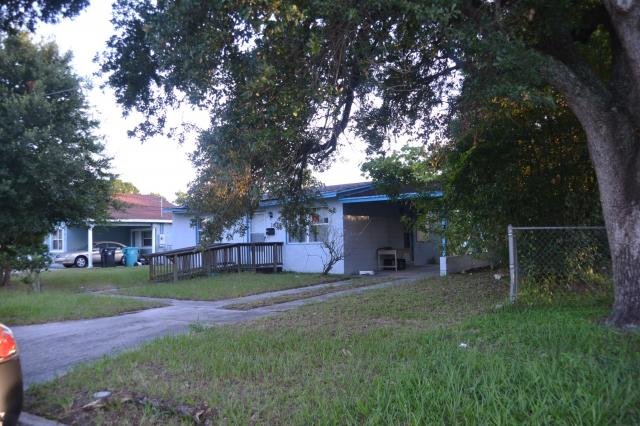
I found this one the same way I find most of my deals: driving for dollars. If you’re new to this business, that just means driving through neighborhoods block by block, looking for houses that look neglected, and writing down the addresses so you can look up who owns them later. There’s no fancy trick to it. You just have to get in the car and actually look.
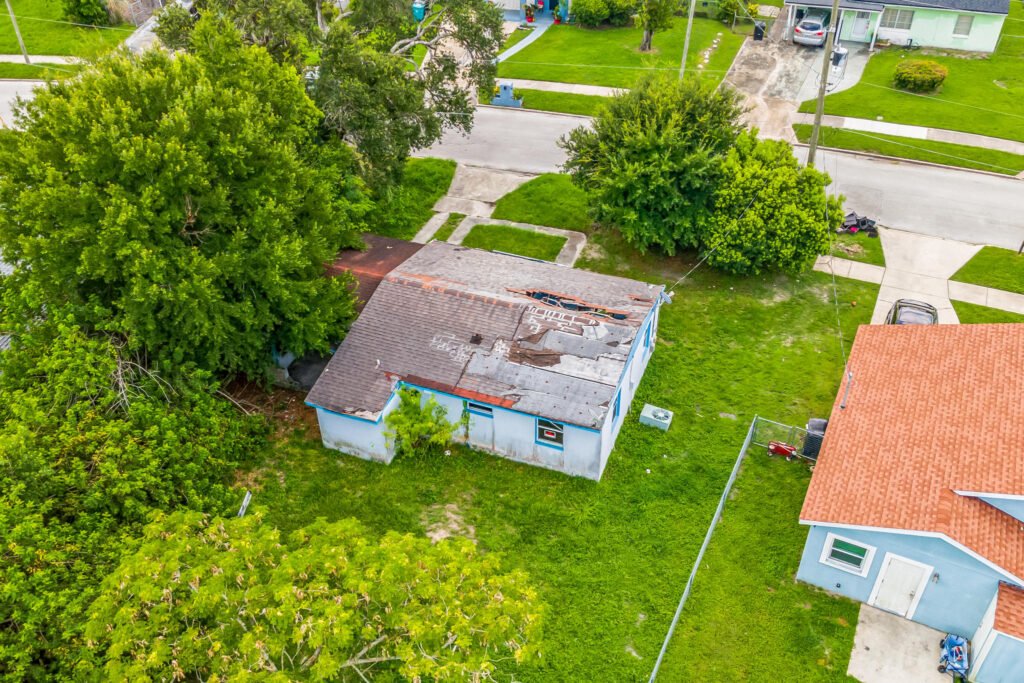
This house on Wilts Street stood out right away. The grass was almost six feet tall, tall enough that it nearly swallowed the front of the house. When I pulled the county records, the owner listed was someone who had already passed away years earlier. An overgrown yard paired with an owner who’s no longer living is usually a sign nobody is actively taking care of the place anymore.
I added the address to my DealMachine app, which is a tool a lot of investors use to keep track of properties they find while out driving. You snap a photo, drop a pin, and it holds onto the address and owner information so you can follow up later instead of trying to remember it all. So I added it, and it just sat there for a while.
Next I had it skip traced. Skip tracing is the process of tracking down contact information, phone numbers, emails, that kind of thing, for someone connected to a property, usually through public records and data services built for exactly that. I tried every phone number that came back and got nowhere. So I went a different route and emailed every email address tied to the property through the skip trace. Luckily, one of them belonged to Ruthie.
At the time I was living in the city, and this house wasn’t too far from an area I was already prospecting near Metro West. It took about three months from the day I first spotted the house to the day I actually got Ruthie on the phone.
No will, no plan, and a family that let it slide
Once I got to talking with Ruthie, the story of the house started to come together. The woman who had lived there, Sarah, had passed away with no will in place. When that happens, the property doesn’t automatically go to any one person. It has to go through probate, and without a will, state law decides who inherits. In this case, that was Ruthie, Sarah’s only child.
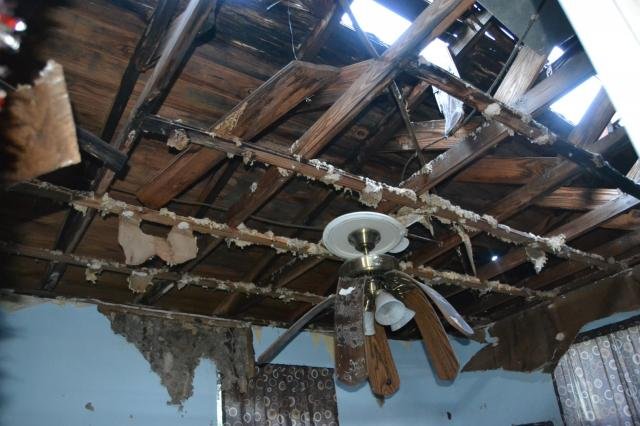
Ruthie told me the family had always figured someone would eventually deal with the house, but nobody ever did. Years went by with no one keeping it up, and the property taxes started falling behind right along with it. By the time I found it, the roof had already caved in in places. Possums had moved into the house, and fleas had come in with them. All of Sarah’s old belongings were still sitting inside, ruined: old photo albums, medical equipment, things nobody ever came back for.
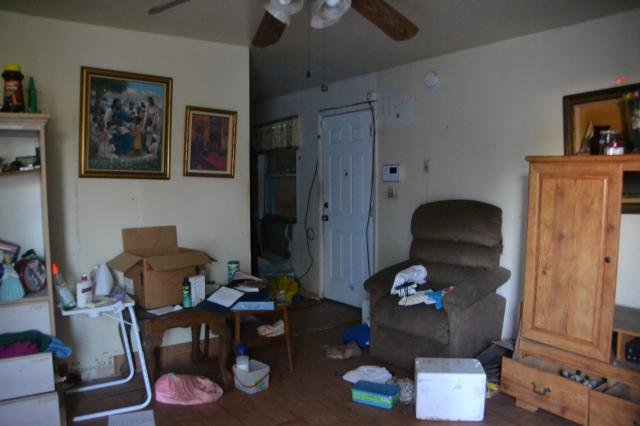
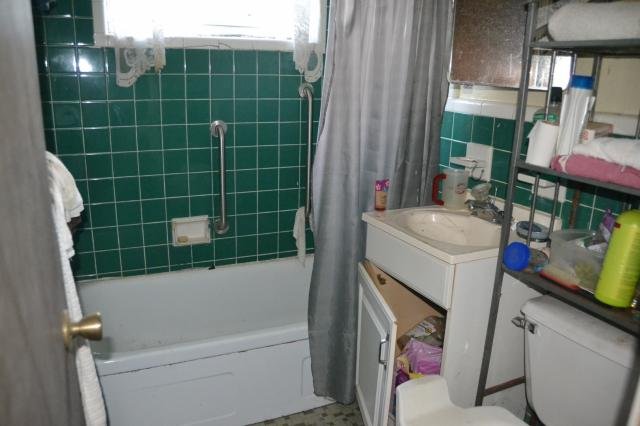
Getting in touch with Ruthie wasn’t always easy either. She had a lot going on in her own life, and there were stretches where my emails bounced or she just went quiet for a while before coming back around.
Once we agreed I’d buy the house, I put a sign up out front with her blessing, and she gave me the phone number of a woman who lived across the street. I ended up meeting that neighbor a few times. She filled me in on some of the history of the property and told me she was looking forward to seeing the place fixed up again.
What the title turned up
Because Sarah had died without a will and nobody had ever opened probate, the title work on this one was heavier than a typical deal. I hired an attorney to walk it through probate on Ruthie’s behalf, since she didn’t have the money to cover legal costs or repairs herself. Covering that was part of our agreement. I wanted her to be able to walk away with cash in her pocket instead of watching it get eaten up by fees she couldn’t afford.
When the title company pulled everything together, a few things turned up: a City of Orlando code enforcement lien that had been sitting on the property for years, delinquent property taxes, and a tax certificate that had to be redeemed before we could close. The deed history on the house went back decades, to when it first sold for ten dollars, the kind of nominal price you sometimes see on old family transfers rather than open market sales.
Closing day
Partway through the process, Ruthie reached out because she needed help covering some utility bills and didn’t want her lights getting cut off. I sent her a $1,000 advance against the sale, with the understanding that it would come back to me out of the proceeds at closing. Some investors in that spot might have used it as leverage to renegotiate the price down. I didn’t want to do that to her. Up to that point it had been a fair conversation between two people, and I wanted to keep it that way.
We finally closed in March of the following year, once all the legal work was done and the liens and back taxes were cleared.
The roof that changed everything
My original plan was a straightforward renovation. Once I got in there after closing, it was clear the roof damage was worse than it looked from the ground. I brought in a structural engineer to take a real look at things: the trusses, the tie beams, the hurricane straps, the rebar. Their assessment came back saying the frame had taken on enough damage that a simple reroof and remodel wasn’t going to cut it.
The dream house that never happened
For a while, the plan shifted toward tearing the place down and building something new from the ground up. I went back and forth with an engineering firm on plans for a rebuild. But between the cost, the permitting, and the time it would take, that version of the project never got off the ground.
Raising the money instead of building it myself
Instead of trying to fund a full renovation or rebuild out of pocket, I took out a private money loan against the property. That’s essentially a loan from a private individual or company rather than a bank, secured by the real estate itself. It gave me the flexibility to move the project forward without tying up all my own cash in one deal.
What happened after
In the end, I sold the house as is, cash, to a buyer who was ready to take on the renovation themselves. They closed it out and listed the finished home for $297,000.
If you’re sitting on a property like this one, whether it came from a family member who passed without a will, or it’s just been sitting there needing more work than you want to take on, I’d genuinely like to hear from you. Reach out and let’s talk through what your options actually look like.